A Quick Guide to AC Replacement

Air conditioning unit outdoors, highlighting energy efficiency and reliability for home cooling, relevant to air conditioner replacement insights.

Important Air Conditioner Replacement Basics to Know

Air conditioner replacement provides a path to a more reliable and energy-efficient home cooling system, eliminating issues related to inconsistent performance and high utility costs. When an AC system ages and underperforms, upgrading offers practical, cost-saving improvements. A new unit can enhance comfort and ensure consistent cooling throughout the year. Below are some important insights to know about AC replacement.

Signs to Replace an Air Conditioner

A struggling AC unit during high temperatures often signals the need for replacement. Recognizing early warning signs helps avoid emergency breakdowns and unexpected repair expenses. Most systems provide clear indications before complete failure, making early planning possible.

System age remains a key replacement indicator. Most air conditioners operate efficiently for 10–15 years with regular upkeep, but performance tends to decline after the first decade. Units built before 2010 often rely on outdated refrigerants being phased out, which increases repair complexity and cost.

Utility bill patterns also reveal system health. A consistent rise in energy costs, despite stable usage, usually reflects decreased efficiency. Newer HVAC models with elevated SEER ratings (Seasonal Energy Efficiency Ratio) can reduce cooling-related energy consumption by 20–40%, per Department of Energy data. However, this efficiency benefit diminishes as older units continue aging.

Frequent repair needs provide another clear sign that replacement may be more cost-effective. Common warning signs include:

  • Repair costs exceeding 50% of the unit’s replacement value
  • Inconsistent temperatures or poor humidity control indoors
  • Persistent unusual sounds (grinding, rattling, squealing)
  • Short-cycling behavior (frequent starting and stopping)

When multiple symptoms present together, especially in older models, replacement tends to offer better long-term value than repeated repairs.

Advantages of Replacing an Old AC Unit

Piggy bank surrounded by coins on a desk, symbolizing savings and cost-effectiveness related to HVAC system replacement and energy efficiency.New AC system installation delivers both immediate and extended benefits. Advanced models come with significantly improved energy efficiency, with ENERGY STAR units capable of reducing cooling energy usage by up to 30%. Lower utility bills often follow within the first billing cycle.

Cost advantages go beyond efficiency. Modern systems usually require fewer repairs within the first 5–10 years. Warranty coverage further reduces long-term maintenance expenses. Past repair costs on older systems frequently exceed the price difference between entry-level and premium replacement models.

Enhanced indoor comfort represents another major improvement. Updated AC systems regulate both temperature and humidity more precisely. Quieter operation and more consistent airflow enhance day-to-day living conditions. Many new systems also include advanced filtration to improve indoor air quality by reducing allergens and airborne debris. AC replacement also allows for unit resizing, particularly after home renovations or layout changes, ensuring the system runs at optimal efficiency without unnecessary cycling.

Choosing a Type of AC System

Ductless mini-split air conditioning system mounted on a wall, illustrating efficient cooling solutions for home environments.AC replacement typically involves selecting between two primary system types: ductless mini-splits and traditional central air conditioners. Each option offers unique advantages depending on structural layout, cooling requirements, and efficiency goals.

Ductless mini-splits provide targeted cooling to specific rooms or zones, making them ideal for spaces without existing ductwork. These systems heat and cool individual areas, increasing efficiency by up to 30% through zone-based climate control. Installation is minimally invasive, with indoor handlers mounted on walls or ceilings and connected to an outdoor compressor via a small conduit.

Traditional central AC systems distribute air throughout an entire home via ductwork. This configuration provides consistent cooling across multiple rooms, particularly in larger homes. Central systems also integrate easily with existing forced-air heating setups, minimizing the need for additional mechanical components.

System selection depends largely on current infrastructure and intended use. Homes with functional ductwork often benefit from central AC due to lower upfront installation costs. In contrast, mini-split systems are ideal for buildings lacking ducts or for those seeking precise, high-efficiency cooling in specific areas.

Central air systems may seem more affordable initially, but duct-based setups typically consume more energy over time. Mini-split systems, with direct-to-zone cooling, eliminate energy loss associated with ducts, potentially reducing energy use by up to 30%, as noted by the Department of Energy. Monthly energy savings often balance out the higher upfront cost of ductless systems within three to five years of regular use.

Both system types provide distinct advantages. Central air delivers uniform cooling across large spaces, while mini-splits offer superior energy efficiency and installation flexibility. Final selection should align with structural conditions, cooling demands, and long-term energy-saving priorities.

About Clark’s Home Services

Clark’s Home Services is a trustworthy heating and cooling company serving throughout Dearborn County and beyond. They offer straightforward pricing, 24-hour services, and the latest technology. Call them for air conditioner installation and replacement in Greendale, IN.

Easy Ways to Save On Heating and Cooling Costs Without Sacrificing Comfort

Person inserting a coin into a pink piggy bank, surrounded by coins and a calculator, symbolizing savings and budgeting for energy efficiency in home heating and cooling.

Save Money While Staying Comfortable

Managing heating and cooling costs is a priority for many homeowners seeking to enhance energy efficiency and reduce utility bills. With fluctuating energy prices and an increasing emphasis on sustainability, adopting practical strategies to conserve energy is more important than ever. This blog explores easy and effective ways to save on heating and cooling expenses, offering insightful tips for optimizing home temperature control without sacrificing comfort. 

Maintenance and Replacing Air Filters

Regular maintenance and timely replacement of air filters in both air conditioning and heating systems are critical steps in maximizing energy efficiency and reducing utility costs.

  • Enhanced Efficiency: When filters are clean and unobstructed, air flows smoothly through the heating and cooling systems, reducing the strain on fans and motors. This efficiency translates directly into energy savings, as the system requires less power to circulate air throughout the home, ultimately lowering monthly utility bills.
  • Prolonged System Lifespan: A clean filter protects the internal components of HVAC systems from dust and debris, which can cause wear and tear over time. By regularly replacing filters, homeowners can extend the lifespan of their heating and cooling equipment, avoiding costly repairs and premature replacements.
  • Improved Air Quality: Clean filters trap dust, pollen, and pet dander, significantly improving indoor air quality. This is particularly beneficial for households with allergy sufferers or respiratory conditions, as it helps maintain a healthier environment.
  • Consistent Temperature Control: Efficient airflow ensures consistent heating and cooling throughout the home, preventing hot or cold spots and maintaining a comfortable indoor climate. This consistency reduces the need for frequent thermostat adjustments, further conserving energy.

Replacing air filters regularly—typically every 1 to 3 months, depending on usage and scheduling annual heating and AC maintenance can yield substantial benefits. Homeowners who prioritize these tasks can enjoy a more efficient, cost-effective, and comfortable home year-round.

Utilize Ceiling Fans

Ceiling fan with wooden blades and light fixture, illustrating efficient airflow for heating and cooling optimization in home environments.Ceiling fans offer a simple yet effective way to support heating and cooling systems. By adjusting the direction in which ceiling fan blades spin, homeowners can optimize their effects as seasons change, allowing for thermostat adjustments that save money on energy bills.

  • Summer Cooling: During warmer months, setting the ceiling fan to rotate counterclockwise creates a downdraft effect. This movement produces a wind-chill sensation, making the air feel cooler on the skin. As a result, the thermostat can be set a few degrees higher without sacrificing comfort, reducing the workload on the air conditioner and leading to energy savings.
  • Winter Heating: Reversing it clockwise at a low speed in the cooler months helps redistribute warm air. Since warm air naturally rises, this gentle updraft pulls the warmer air from the ceiling and recirculates it throughout the room. By improving heat distribution, rooms feel warmer without the need to increase the thermostat setting, lessening the demand on the heating system.

By leveraging the strategic use of ceiling fans, homeowners can work smarter, not harder, when it comes to heating and cooling. 

Install a Smart Thermostat

Smart thermostat display showing temperature settings, with a hand adjusting settings on a smartphone app, illustrating energy-efficient home climate control.Installing a smart thermostat offers a cutting-edge solution for optimizing home heating and cooling efficiency, leveraging advanced technology to provide significant savings on utility bills.

  • Adaptive Learning: Smart thermostats learn household routines over time, automatically adjusting heating and cooling schedules based on occupancy patterns. By tailoring temperature settings to the user’s habits, these devices ensure energy is not wasted on heating or cooling an empty home, reducing energy consumption and costs.
  • Remote Access: With Wi-Fi connectivity, smart thermostats allow users to control home temperatures remotely via smartphone apps. Whether you’re on vacation or away for the day, you can adjust settings on the go, ensuring comfort when you return and avoiding unnecessary energy use while you’re away.
  • Energy Usage Insights: Many smart thermostats provide detailed energy usage reports, helping homeowners understand their consumption patterns. By analyzing this data, users can identify opportunities to reduce energy use, such as lowering temperatures during sleeping hours or optimizing heating and cooling during peak utility rate times.
  • Integration with Smart Home Systems: Smart thermostats can seamlessly integrate with other smart home devices, creating a comprehensive and coordinated home automation environment. Voice control through virtual assistants and connectivity with occupancy sensors can enhance energy savings by adjusting temperatures based on real-time presence.
  • Personalized Schedules: Users can program personalized schedules that automatically adjust the temperature based on specific preferences and daily activities. Whether setting a cooler evening temperature or warming the home just before waking, smart thermostats offer flexibility to balance comfort and efficiency.

By installing a smart thermostat, homeowners not only gain greater control over their environment but also enjoy the financial and environmental benefits of reduced energy usage. These intelligent devices represent a smart investment in both comfort and sustainability.

About Clark’s Home Services

Clark’s Home Services is a trusted, local heating and AC company that proudly services Lawrenceburg, IN, and Dearborn County. They offer same-day services to repair AC and furnace units quickly. Contact them for heating and air conditioning services in Greendale, IN.

When Homes Need a Water Softener Installation

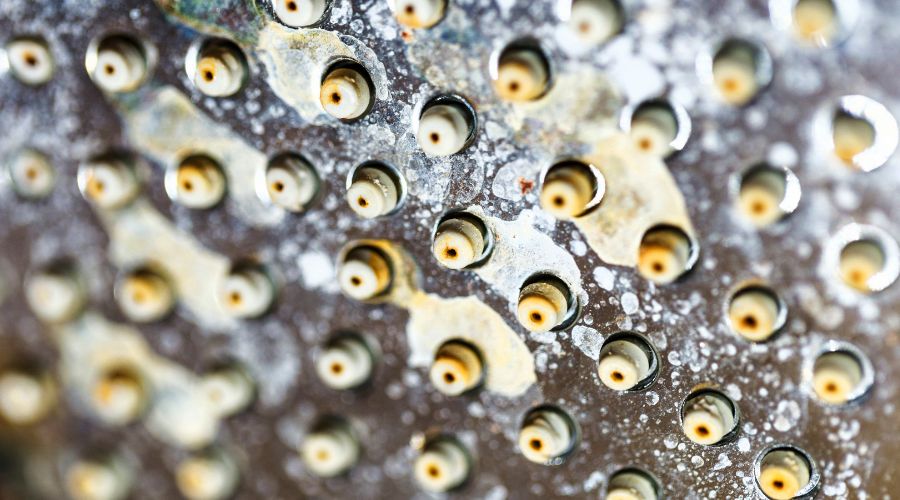
Close-up of a grater with wear and food residue, emphasizing kitchen utility for Clark's Home Services' plumbing solutions.

What Homeowners Need to Know About Hard Water and Water Softeners

Hard water can quietly wreak havoc on a home’s plumbing system and appliances, causing issues that range from reduced efficiency to shortening the lifespan of household appliances that use water.

Hard water contains high levels of dissolved minerals, primarily calcium and magnesium, which are absorbed as water flows through rock formations like limestone or chalk. While it is safe for drinking and everyday use, hard water can lead to various problems.

If homeowners notice signs of hard water in their homes, it’s time to consider installing a water softener. This post will explain some signs of hard water and how water softeners can treat it.

Symptoms of Hard Water

Woman with long, unkempt hair expressing frustration, illustrating the effects of hard water on hair and skin dryness.Homeowners must recognize the signs of hard water so they can schedule water softener installation. Some common symptoms they should watch for include:

  • Dry Hair and Skin: Hard water strips natural moisture, leaving hair dry and brittle and skin feeling dry, irritated, or itchy.
  • Cloudy or Spotted Glassware: Glasses and silverware washed in hard water can come out of dishwashers with cloudy spots or streaks, even after a thorough cleaning.
  • Stains on Fixtures: Faucets, sinks, and bathtubs may develop stubborn white or yellow stains caused by mineral deposits.
  • Faded and Rough Laundry: Clothes washed in hard water tend to fade faster, feel rough, and wear out more quickly.
  • Low Water Pressure: Minerals from hard water can accumulate inside plumbing lines, reducing water pressure from fixtures.
  • Plumbing Issues: Mineral buildup in pipes can restrict water flow and increase the risk of clogs.
  • Appliance Issues: Hard water reduces the efficiency and lifespan of appliances that use water, like dishwashers, washing machines, and water heaters.

Identifying these signs can help homeowners take proactive steps, such as installing a water softener, to prevent further damage and maintain a more comfortable living environment.

How Water Softener Systems Treat Hard Water

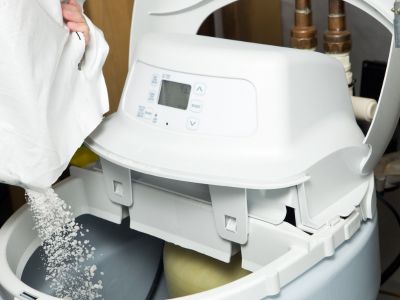
Water softener system in operation, showing salt being poured into the machine, illustrating the process of treating hard water to improve plumbing and appliance efficiency.A water softener is a specialized system that removes excess minerals from a home’s water supply, turning hard water into soft water. This water softening not only enhances water quality to benefit the home’s residents but also protects plumbing systems and appliances.

Most water softeners use an ion exchange process to remove hardness-causing minerals. As hard water passes through a tank filled with resin beads, the beads attract and trap calcium and magnesium ions, replacing them with sodium or potassium ions. This results in soft water that is gentler on plumbing, appliances, and family members.

When selecting a water-softening system, homeowners should consider their household’s needs. Some common options include:

  • Salt-Based Water Softeners: These traditional systems use sodium to replace hardness minerals, effectively reducing water hardness.
  • Salt-Free Water Softeners: Rather than removing minerals, these systems condition the water to prevent scale buildup, making them a low-maintenance alternative.
  • Dual-Tank Water Softeners: Perfect for larger households, these systems alternate between two tanks, ensuring a continuous supply of soft water.

Advantages of a Whole Home Water Softener

Installing a whole-house water softener offers a range of benefits that can have significant impacts on households. Some benefits are:

  • Reduced Wear on Fixtures and Appliances: Soft water prevents mineral buildup, extending the lifespan of faucets, pipes, and water-using appliances.
  • Fewer Plumbing Issues: Without mineral buildup from hard water, people can lower the risk of clogs and water pressure issues.
  • Simplified Cleaning: Eliminates the need for scrubbing stubborn scale deposits from bathroom surfaces and fixtures.
  • Longer-Lasting Laundry: Clothes washed in soft water stay brighter, feel softer, and wear out less quickly, even after repeated washes.
  • Healthier Hair and Skin: Soft water helps retain natural oils, leaving hair shinier and skin more hydrated and less prone to dryness.
  • Spot-Free Dishes: Enjoy spotless, sparkling dishes and glassware without extra rinsing or cleaning products.
  • Appliance Cost Savings: By preventing scale buildup, water softeners improve energy efficiency and extend the life of appliances like water heaters, clothes washers, and dishwashers, reducing energy costs and early replacement costs.

About Clark’s Home Services

Clark’s Home Services is a local and trustworthy heating and cooling company serving Greendale, IN, and the surrounding areas. They offer straightforward pricing and on-time services. Call them for water softener installation services in Greendale, IN.